
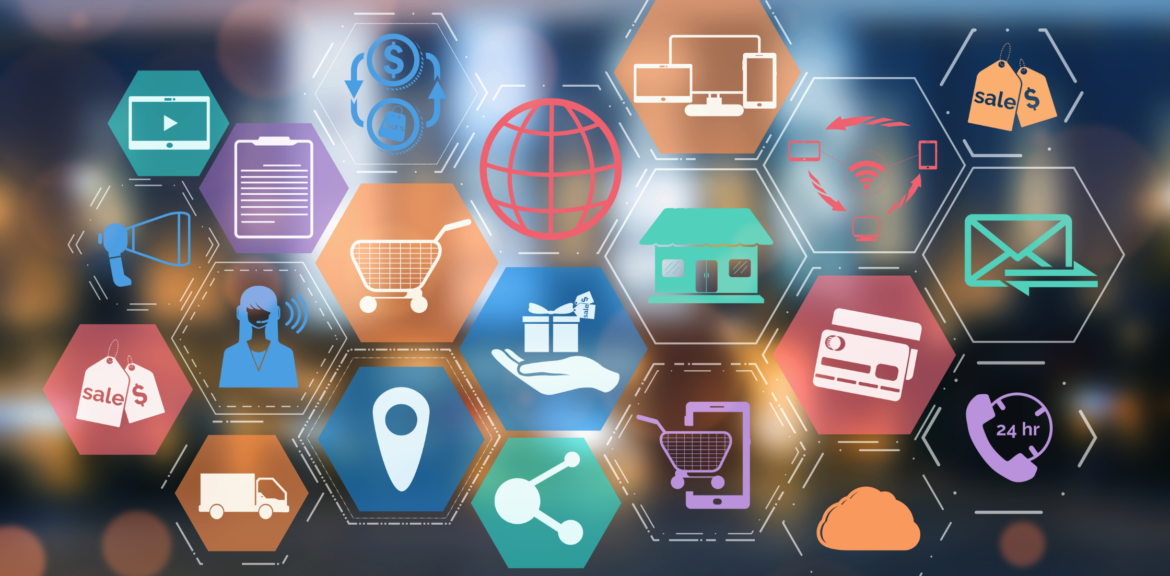
As marketing ecosystems become more complex, businesses often hear two strategic terms: Integrated Marketing and Omni-Channel Marketing. While both aim to create cohesive customer experiences, they serve different operational goals — and in an AI-influenced discovery landscape, clarity across channels has never been more important.
Understanding the distinction is essential for building structured visibility rather than fragmented outreach.
The Synchronized Symphony: Integrated Marketing Strategy
An Integrated Marketing Strategy focuses on message consistency across channels. Advertising, email, social media, public relations, and promotions work together to communicate a unified brand identity.
Its primary strength is alignment. Customers receive consistent positioning regardless of where they encounter your business, reinforcing brand recognition and trust.
The Seamless Experience: Omni-Channel Marketing Strategy
While Integrated Marketing focuses on consistent messaging, Omni-Channel Marketing centers on the customer experience itself. The goal is to create a seamless journey across every touchpoint where a customer interacts with your business.
Whether someone engages with your brand through a website, mobile device, social media platform, email campaign, or physical location, their experience should feel connected and uninterrupted. Customer data, preferences, and previous interactions should inform each new interaction, creating continuity rather than fragmentation.
Omni-channel strategy is not just about being present on multiple platforms. It is about ensuring those platforms communicate with each other. When systems are aligned, customers can move fluidly between channels without confusion or repetition.
In today’s AI-influenced search environment, this alignment also strengthens digital clarity. Inconsistent messaging, outdated information, or disconnected platforms can weaken how search engines and AI systems interpret your business. A well-structured omni-channel approach reinforces authority, consistency, and trust across digital ecosystems.
Structuring Your Marketing Ecosystem for Modern Visibility
The choice between integrated and omni-channel marketing is not simply theoretical. It determines how clearly your business communicates across digital touchpoints.
Small businesses that:
Maintain consistent messaging across platforms
Align advertising, content, and customer experience
Ensure unified business information across channels
Connect marketing data into a centralized system
create stronger digital clarity.
In an AI-driven search environment, fragmented marketing weakens authority signals. Structured ecosystems strengthen both customer experience and recommendation potential.
The goal is not more channels — it is aligned channels.







Pingback:10 Affordable Marketing Tactics for Start-ups and Small Businesses - Nikia Media, Inc.